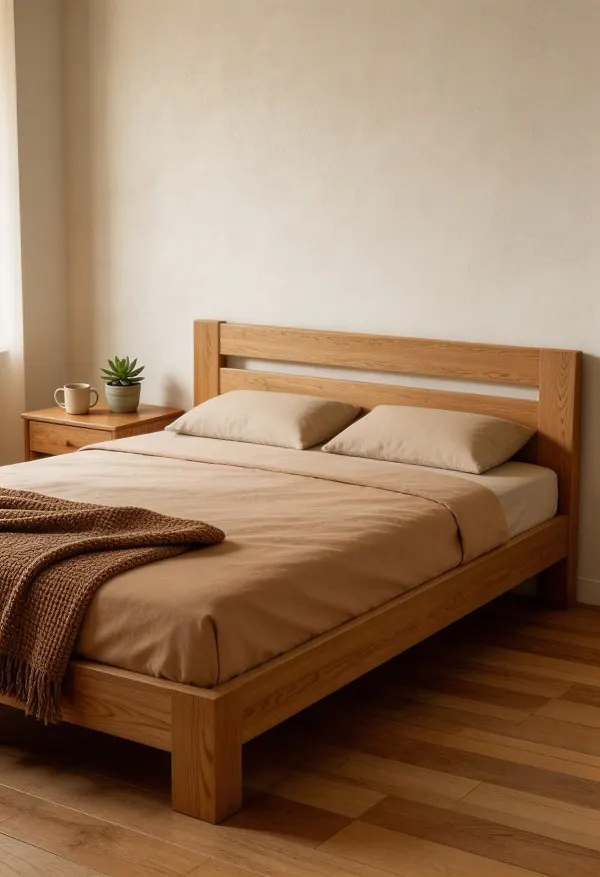
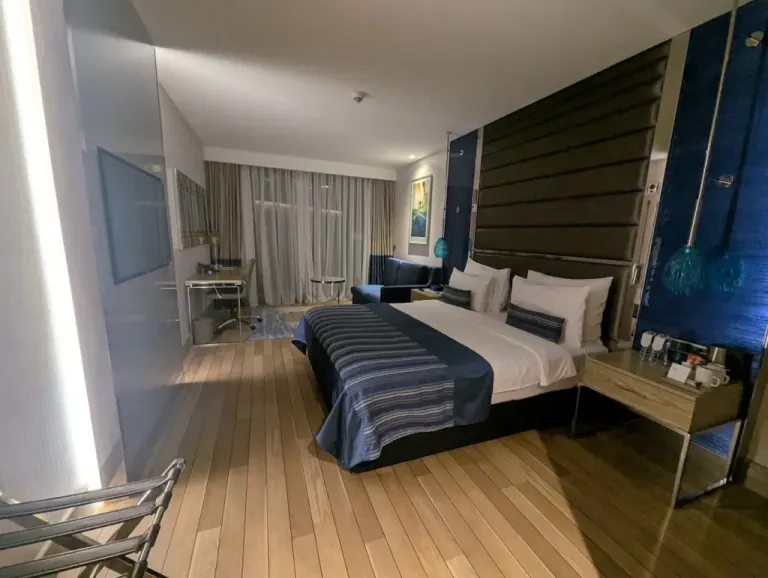
Beyond the Veneer: Technical Material Science, Mechanical Tolerances, and Architectural Specifications for Solid Wood Hotel Furniture
The operational lifespan of hospitality real estate depends entirely on the durability of its interior infrastructure. In high-density commercial spaces, guestrooms and common areas function as relentless mechanical testing grounds. Within the complex disciplines of contract procurement, life-cycle cost analysis, and luxury space planning, Solid Wood Hotel Furniture serves as the definitive structural and aesthetic standard. While residential-grade retail items or composite alternatives wrapped in superficial plastic laminates yield to physical degradation within short operational windows, authentic hardwood furniture provides the physical and molecular properties required to withstand heavy-use environments.
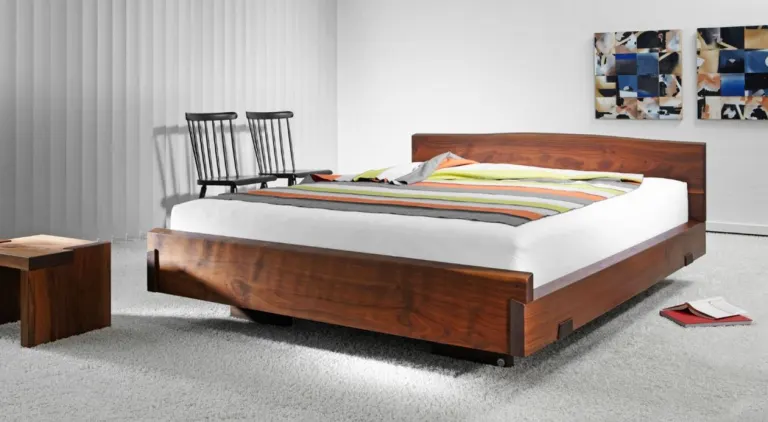
For asset management groups, corporate hotel owners, and design principals, furniture selection is far more than a stylistic preference—it is a critical, multi-million-dollar capital expenditure (CapEx) decision. Specifying high-performance Solid Wood Hotel Furniture offers a strategic advantage by extending renovation timelines, lowering day-to-day maintenance costs, and elevating a property's tactile luxury profile. To secure these returns, however, procurement teams must look past surface finishes. They must develop a comprehensive, technically precise understanding of wood anatomy, wood-moisture relations, joinery engineering, and polymer chemistry.
This definitive technical analysis explores the material science, mechanical engineering, and contract procurement parameters that govern Solid Wood Hotel Furniture, providing an authoritative blueprint for specifying elite timber installations across luxury guest suites, high-traffic lobbies, and demanding hospitality environments.
1. Capital Expenditure Dynamics and Return on Investment Metrics
In commercial real estate procurement, asset managers frequently weigh the lower upfront cost of engineered wood composites—such as Medium-Density Fiberboard (MDF) or high-density particleboard faced with wood veneers or High-Pressure Laminates (HPL)—against the premium pricing of authentic Solid Wood Hotel Furniture. While composite options appear to save capital during initial construction or renovation phases, a rigorous Lifecycle Cost Analysis (LCCA) across a typical fifteen-year hospitality asset cycle reveals that solid hardwood furniture provides a vastly superior return on investment (ROI).
+-----------------------------------------------------------------------+
| FIFTEEN-YEAR LIFECYCLE REPLACEMENT CYCLES |
+---------------------------------+-------------------------------------+
| COMPOSITE LAMINATE FURNITURE | SOLID WOOD HOTEL FURNITURE |
| - Year 1: Initial Install | - Year 1: Initial Install |
| - Year 5: Delamination/Replace | - Year 5: On-Site Touch-up |
| - Year 10: Structural Failure | - Year 10: Light Refinishing |
| - Year 15: Total Replacement | - Year 15: Structural Intact (Original)|
+---------------------------------+-------------------------------------+
| Total Expenditure: 3x Capital | Total Expenditure: 1x Capital |
+---------------------------------+-------------------------------------+
Lifecycle Cost Analysis (LCCA) Frameworks
Engineered wood composites deployed in high-turnover hospitality properties carry an unalterable structural expiration date. Under continuous impacts from luggage carts, heavy suitcases, and housekeeping machinery, laminated edges inevitably suffer from mechanical delamination and edge chipping. Once an engineered core's internal fibers are exposed to water from cleaning or spills, the substrate undergoes irreversible thickness swelling and core softening. Because composite cores cannot be repaired or filled on-site, the entire piece must be discarded. This forces hotel operators into disruptive room inventory losses and complete replacement cycles every 3 to 5 years.
Conversely, Solid Wood Hotel Furniture exhibits total structural homogeneity. If a solid oak desk, walnut headboard, or ash luggage bench sustains a deep impact gouge or deep scratch from a guest's belongings, the material beneath the damage matches the surface exactly. The asset does not need to be removed from the room inventory or sent to a landfill. Instead, on-site facilities teams can sand, fill, and spot-refinish the localized damage directly within the guestroom during a brief cleaning window. This exceptional repairability extends the service life of solid timber contract assets past 15 to 20 years, converting an initial procurement premium into a remarkably low annualized asset cost.
Mitigating Depreciation to Protect Property Valuation
From an institutional valuation standpoint, a hospitality property containing deteriorating composite furniture suffers from rapid aesthetic and functional depreciation. This decline directly hurts guest satisfaction ratings, depressing the property’s Average Daily Rate (ADR) and Revenue Per Available Room (RevPAR). Modern luxury travelers easily distinguish the hollow acoustics and synthetic feel of laminates from real wood.
The tactile warmth, physical weight, and structural dampening properties of Solid Wood Hotel Furniture communicate authentic luxury. This material premium allows luxury and boutique hotel operators to defend higher room rates, protect their digital brand equity, and maintain elevated property resale values during institutional property transfers.
2. Timber Material Science: Hardwood Taxonomy and Anatomy
To successfully specify Solid Wood Hotel Furniture, design and procurement teams must analyze the mechanical profiles of various timber species. Wood species are classified based on their cellular density, pore distribution patterns, and natural resistance to mechanical loads.
[Janka Hardness Spectrum for Hospitality]
Low Resistance High Resistance
<---------------------------------------------------------------------------------->
[ Pine / Softwoods ] [ European Ash ] [ White Oak ] [ Hard Maple ]
(Guestrooms Only) (Lobby Chairs) (All-Purpose) (Tabletops)
Hardwoods vs. Softwoods in Commercial Infrastructure
While softwoods like Pine or Douglas Fir offer a rustic aesthetic, their sparse cellular density and thin cell walls make them highly vulnerable to indentation, scratching, and crushing under load. Consequently, their application in Solid Wood Hotel Furniture is strictly limited to low-impact accent pieces or specialized theme properties.
High-performance commercial contract furniture relies almost exclusively on dense, ring-porous or diffuse-porous angiosperm hardwoods. These timbers feature thick, lignified secondary cell walls and tightly packed fibers that effectively absorb and deflect physical energy.
Technical Profile Analysis of Key Hospitality Hardwoods
• American Black Walnut (Juglans nigra): Celebrated for its rich chocolate tones and low radial-to-tangential shrinkage ratios, Walnut is an elite material for luxury executive suites, high-end casegoods, and feature headboards. It offers exceptional dimensional stability and moderate Janka hardness, allowing it to hold precise profile cuts over decades of use without warping.
• White Oak (Quercus alba): A foundational species for high-traffic installations of Solid Wood Hotel Furniture. White Oak possesses a high Janka hardness rating and features a high concentration of natural tyloses—balloon-like cellular outgrowths that plug the vessel lumens. These tyloses render the wood highly water-resistant, protecting lobby tables and luggage benches from wet items.
• Hard Maple (Acer saccharum): Featuring an exceptionally dense, uniform, and diffuse-porous cellular matrix, Hard Maple is highly resistant to indentation. This extreme durability makes it the global standard choice for restaurant tabletops, bar tops, and internal structural frames within heavy-use upholstered seating.
• European Ash (Fraxinus excelsior): Highly valued for its superb tensile elasticity and shock-absorbing properties, Ash is the preferred material for bentwood seating, high-traffic barstools, and complex curved seating profiles in busy hotel lounges.
3. Structural Mechanics and Advanced Joinery Architecture
The long-term durability of Solid Wood Hotel Furniture depends entirely on the design and execution of its internal joints. Residential furniture construction methods—such as relying on simple pocket screws, metal staples, or basic dowels—will quickly fail when subjected to the structural stresses of a commercial hotel environment.
[Commercial Mortise and Tenon Geometry]
Tenon Member Mortise Member
+---------------------------+ +---------------------------+
| | | |---| | |
| +----+ | | | | |
| | |========>| | | (Glue Pocket) | |
| +----+ | | | | |
| | | |---| | |
+---------------------------+ +---------------------------+
The Engineering Supremacy of Mortise and Tenon Joinery
For load-bearing connections in items like hotel dining chairs, beds, and writing desks, traditional interlocking mortise and tenon joinery remains the gold standard. In this configuration, a projecting tongue of wood (the tenon) fits precisely into a deep rectangular cavity (the mortise) cut into the adjoining piece.
When bonded with industrial-grade cross-linking polyvinyl acetate (PVA) or polyurethane adhesives, this interlocking structure creates an incredibly strong bond. The wood fibers lock together, distributing weight evenly across the entire frame and preventing the joint from loosening over years of continuous use.
Mastering Racking Forces in Commercial Casegoods
Hotel casegoods—such as dressers, armoires, and nightstands—require sophisticated corner construction to resist racking forces when heavily loaded or moved by housekeeping staff. High-specification Solid Wood Hotel Furniture utilizes interlocking English dovetail joints for drawer boxes and blind-dado joints for structural casework dividers.
Additionally, solid corner blocks must be glued and securely screwed into internal frame corners. This reinforcement prevents the furniture from twisting or warping when guests lean heavily against it or use open drawers for physical support.
4. Moisture Dynamics, Fiber Saturation, and Dimensional Control
Wood is an anisotropic, hygroscopic biological polymer, meaning its dimensions continually expand and contract in response to changing levels of ambient relative humidity. If a hotel's interior environment experiences sudden shifts in moisture levels, poorly engineered Solid Wood Hotel Furniture will inevitably split, warp, or crack along its grain paths.
[Anisotropic Movement Coefficients]
Tangential (Parallel to Growth Rings): |||||||||| (Highest Swelling)
Radial (Perpendicular to Rings): ||||| (Moderate Swelling)
Longitudinal (Along Grain Axis): | (Negligible Swelling)
Managing Tangential and Radial Expansion
Wood cells expand significantly more along their tangential axis (parallel to the tree's growth rings) than along their radial axis. To mitigate this unequal movement, engineers must design furniture panels with specialized, non-rigid fastening systems.
For instance, a solid wood tabletop should never be screwed directly and rigidly to a fixed steel base. Instead, it must be mounted using expansion clips or elongated slot channels. This specialized hardware allows the solid timber panel to expand and contract smoothly across its width without cracking or tearing its fasteners loose.
Managing Internal Moisture Levels via Kiln Drying
Before a single piece of Solid Wood Hotel Furniture is cut or assembled, the raw timber must undergo a precision kiln-drying process to stabilize its internal moisture levels.
[Phase 1: Pre-Heating] [Phase 2: Vaporization] [Phase 3: Conditioning]
Temp: 40°C -> 60°C Temp: 60°C -> 85°C Target EMC: 6% - 9%
Humidity: Maintained High Controlled Dehumidification Eliminates Internal Stress
For hospitality furniture destined for standard climate-controlled interior zones, the wood must be systematically dried to a strict Equilibrium Moisture Content (EMC) of 6% to 9%. Drying the timber to this precise chemical threshold ensures that its internal cell structures remain stable, preventing warping whether the furniture is installed in an arid desert resort or a humid tropical beachfront hotel.
5. Advanced Coating Polymers and Chemical Shielding
The surface coating applied to Solid Wood Hotel Furniture serves as its primary shield against environmental hazards. In a commercial hospitality property, this protective finish must withstand frequent encounters with spilled hot coffee, acidic juices, alcohol-based perfumes, and harsh chemical sanitizers.
Coating Technology Film Thickness & Appearance Chemical/Scratch Resistance Maintenance & Spot-Repairability
Two-Component Polyurethane (2K PU) High build; creates a tough, protective surface layer. Exceptional; resists water, heat, and harsh industrial sanitizers. Requires professional equipment and sanding for complete refinishing.
Conversion Varnish (CV) Medium build; delivers a clear finish that highlights wood grain. Very High; excellent resistance to scratching and moisture. Moderate repairability; surfaces must be lightly sanded before recoating.
Waterborne Acrylic Lacquer Low build; offers an ultra-clear, natural wood appearance. Moderate; vulnerable to prolonged alcohol exposure. Excellent; allows for quick on-site touch-ups and easy spot repairs.
Natural Hardwax Oils Penetrates deep into the wood fibers; zero-film matte look. Low-Moderate; prone to staining if liquids stand for long periods. Superior; allows local repairs without sanding the entire piece.
Meeting Performance Standards: Sealing Against Chemicals and Heat
To ensure long-term durability in commercial properties, specify coatings that comply with rigorous performance standards, such as those established by the Architectural Woodwork Institute (AWI) or the Kitchen Cabinet Manufacturers Association (KCMA). These certifications verify that the finished surface can withstand a 24-hour continuous exposure to common hospitality fluids—including boiling water, isopropyl alcohol, citric acids, and bleach—without experiencing any film breakdown, softening, or permanent discoloration.
6. Sustainable Sourcing and Green Building Certifications
Modern travelers and commercial real estate investment funds place immense value on environmental sustainability. Specifying responsibly produced Solid Wood Hotel Furniture provides a direct pathway for properties to achieve green building certifications, such as LEED (Leadership in Energy and Environmental Design) or BREEAM.
+-------------------------------------------------------------------+
| SUSTAINABLE TIMBER CARBON SEQUESTRATION CYCLE |
+---------------------+-----------------------+---------------------+
| FOREST GROWTH | FURNITURE FABRICATION | LONG-TERM USE |
+---------------------+-----------------------+---------------------+
| - Trees absorb CO₂ | - Low energy inputs | - CO₂ locked safely |
| - Managed replanting| - Minimal processing | for decades in |
| - Biodiversity check| - Local manufacturing | guestroom suites |
+---------------------+-----------------------+---------------------+
Chain-of-Custody Certification (FSC and PEFC)
To guarantee that procurement choices do not contribute to global deforestation, all Solid Wood Hotel Furniture should carry Forest Stewardship Council (FSC) or Programme for the Endorsement of Forest Certification (PEFC) chain-of-custody validation. This paperwork verifies that the timber can be tracked directly back to sustainably managed forests that prioritize biodiversity conservation, respect indigenous land rights, and enforce strict, legal replanting ratios.
Low-VOC Coatings for Improved Indoor Air Quality
Traditional solvent-based finishes release significant volumes of Volatile Organic Compounds (VOCs) into the air, which can compromise indoor air quality and trigger sensory irritation for incoming hotel guests.
By specifying furniture built with ultra-low-VOC waterborne finishes or plant-based natural hardwax oils, hotels can ensure their guestrooms are completely free of harmful chemical off-gassing from day one. This proactive approach helps properties earn critical LEED indoor environmental quality credits while creating a safer, healthier workplace for housekeeping staff.
7. Preventive Maintenance and Asset Lifecycle Preservation
Even the most robustly engineered Solid Wood Hotel Furniture requires a structured, proactive maintenance program to preserve its protective finish and structural integrity over decades of intense commercial use.
[Hospitality Timber Preventative Maintenance Cycle]
Daily/Weekly Quarterly Bi-Annually
+-------------------------+ +-------------------------+ +-------------------------+
| pH-Neutral Damp Wipe | | Hardware Torque Check | | Hardwax Oil Re-Buffing |
| Remove Surface Grime |====>| Tighten Internal Joints |====>| Renew Protective Layer |
| Avoid Abrasive Bleaches | | Prevent Racking Wear | | Seal Micro-Scratches |
+-------------------------+ +-------------------------+ +-------------------------+
Cleaning Protocol Guidelines for Housekeeping Teams
Housekeeping staff must be trained to avoid all cleaning products that contain aggressive chlorine bleaches, ammonia, or abrasive scrubbing compounds. These chemicals chemically strip the protective topcoats, clouding clear finishes and exposing the underlying raw wood fibers.
Instead, daily maintenance should be limited to wiping surfaces with a soft, lint-free microfiber cloth lightly dampened with pH-neutral soap and warm water, followed immediately by drying with a clean towel to prevent water spotting.
Scheduled Structural Audits and Hardware Tuning
Every quarter, a property's engineering team should conduct a comprehensive structural audit of all Solid Wood Hotel Furniture located in high-turnover guestrooms. This assessment includes checking and re-torquing internal structural fasteners, adjusting heavy drawer glides, and inspecting hidden drop-in bed frame brackets. Catching micro-movements early prevents minor structural loose joints from escalating into severe timber failures when pieces are subjected to heavy loads.
8. Procurement Quality Control: Setting Contract Specifications
The primary breakdown in hospitality furniture deployment occurs due to a lack of precise terminology within the contract document. To guarantee the delivery of real Solid Wood Hotel Furniture, procurement agents must avoid ambiguous definitions like "all-wood construction" or "walnut finish," which often mask cheap engineered cores under thin decorative veneers.
Crafting Concrete Technical Definitions
Contracts must specify the exact botanical genus and species required for each component, along with explicit definitions for permissible grade levels:
• Exposed Face Components: Must be specified as FAS-grade (First and Seconds) solid hardwood timber, completely free of structural knots, sapwood streaks, or pitch pockets.
• Internal Structural Frames: Must utilize dense, clear hardwoods like Ash or Maple rather than soft woods, ensuring the frame holds dowels and fasteners under heavy loads.
• Prohibited Substrates: The contract should include a clause explicitly banning the substitution of MDF, particleboard, or commercial plywood within any component described as a solid timber element.
Mandating Third-Party Testing and Compliance
Before releasing final factory payments, procurement managers should require factory production prototypes to undergo independent mechanical testing. The furniture should comply with standard ANSI/BIFMA X5.5 (Desk and Table Products) or ANSI/BIFMA X5.11 (General Purpose Office Chairs) testing guidelines. These certifications subject the prototypes to thousands of automated structural impact, load-drop, and drawer-cycle tests, confirming the factory's joinery and materials can handle decades of commercial hotel use before mass production begins.
9. Environmental Optimization of Spatial Layouts
Even high-performance Solid Wood Hotel Furniture remains sensitive to localized microclimates within a guest suite or lobby. Correctly positioning furniture relative to mechanical climate controls is a key factor in protecting solid wood assets from premature failure.
[Spatial Layout Thermal Strategy]
[HVAC Diffuser Vent] [Solid Timber Asset]
+----------------------+ +----------------------+
| Forced Hot Dry Air |===========================>| Avoid Direct Path |
| | (Accelerates localized | (Maintain min. 1.5m |
| (Dangerous Matrix) | shrinkage and cracking) | buffer zone) |
+----------------------+ +----------------------+
Buffering Against HVAC Thermal Plumes
Solid wood nightstands, desks, and sideboards should never be placed directly in the path of continuous hot or cold air currents from guestroom HVAC fan-coil units. Constant exposure to moving, low-humidity air creates sharp moisture gradients between the front and back of the furniture.
This localized drying shrinks wood cells rapidly on one side, leading to surface checking, joint separation, and cosmetic warping. Designers should maintain a minimum 1.5-meter buffer zone between air discharge vents and solid wood furniture.
Managing Direct Solar Load and UV Radiation
Long-term exposure to direct sunlight through large hotel windows can damage both the wood fibers and their protective finishes. Ultraviolet (UV) light breaks down the lignin holding wood cells together, causing light woods like Maple to yellow and dark woods like Walnut to fade significantly.
To protect Solid Wood Hotel Furniture in sunlit areas, specify high-end finishes that incorporate Hindered Amine Light Stabilizers (HALS) and UV absorbers. These additives intercept harmful solar radiation, protecting the wood's natural color and grain pattern for years.
10. Conclusion: Protecting Assets with Commercial Timber
The choice of Solid Wood Hotel Furniture represents a critical intersection of advanced material science, precision structural engineering, and strategic financial planning within the global hospitality industry. While alternative composite materials may present an attractive, low-cost shortcut during initial construction phases, their rapid physical degradation under real-world commercial loads inevitably leads to premature capital expenditures and diminished brand perception.
By understanding the unique cellular properties of premium hardwoods, implementing time-tested interlocking joinery systems, and applying advanced, chemically resistant protective topcoats, hotel owners can create guest environments that grow more beautiful with age. Ultimately, investing in sustainably sourced, expertly crafted solid timber furniture protects property assets, improves guest satisfaction scores, and establishes a resilient foundation for long-term luxury hospitality operations.