Bedroom Furniture for Hotels in the Gulf, Europe and Africa: How Specifications Change by Market
Guest room furniture is rarely a copy-and-paste specification. This guide compares how bed sizes, style, climate resilience and compliance expectations shift between the Gulf, Europe and Africa.
Hotel furniture by region is never a straight copy of one specification. A guest room that works in Riyadh needs different details from one in Lisbon or Nairobi, because bed sizes, climate, guest habits and compliance requirements all change with the market. Understanding these differences early helps you brief designers and factories correctly and avoids costly revisions after drawings are approved.
This article compares three major regions, the Gulf, Europe and Africa, and shows where bedroom furniture specifications usually diverge. It is a planning guide, not a rulebook: always confirm local regulations and brand standards for your own project.
Why one specification does not fit every market
Many international projects start with a single design package that is then rolled out to several countries. This saves design time, but it often hides problems. A finish that performs well in a dry, air-conditioned interior may swell in a humid coastal city, and a layout that suits a compact European room may feel cramped for a Gulf family.
Four areas change most from market to market:
- Room size and bed type: affects every other piece of furniture in the room.
- Style and finish preferences: shaped by guest expectations and hotel category.
- Climate and environment: humidity, heat, dust, salt air and temperature swings.
- Compliance and documentation: fire, emissions, labelling and import paperwork.
Bed sizes and room proportions by region
Bed size is the starting point because wardrobes, desks and bedside tables are planned around it. Always take sizes from the brand standard or the mattress supplier, since dimensions vary between countries and brands.
Gulf and Middle East
Gulf hotels commonly use king-size beds, and larger rooms and suites are common in many luxury and resort properties. Rooms are often generous, which leaves space for sofas, seating areas and deeper wardrobes. Family layouts and connecting rooms are also frequent requests, so check whether the bedroom furniture must work in both single and combined configurations.
Europe
European rooms tend to be more compact, especially in city centres and heritage buildings where walls, ceilings and lifts are not standard. Twin and double layouts are common, and many hotels need beds that can be configured as either. The furniture often has to be modest in depth and carefully proportioned, with wall-hung or slim designs to keep floor space open.
Africa
Africa is a varied continent, so there is no single norm. City business hotels often follow international brand standards, while safari lodges, resorts and boutique properties may use larger beds with mosquito-net frames or canopy details. Ask the operator for the bed type and any special frame requirements before you finalise drawings.
| Topic | Gulf | Europe | Africa |
|---|---|---|---|
| Typical room size | Often larger | Often compact | Varies widely |
| Common bed layout | King, family and connecting rooms | Double or twin, convertible | Depends on brand and property type |
| Main design pressure | Impressive finish and storage | Space efficiency | Durability and local conditions |
Style and finish preferences
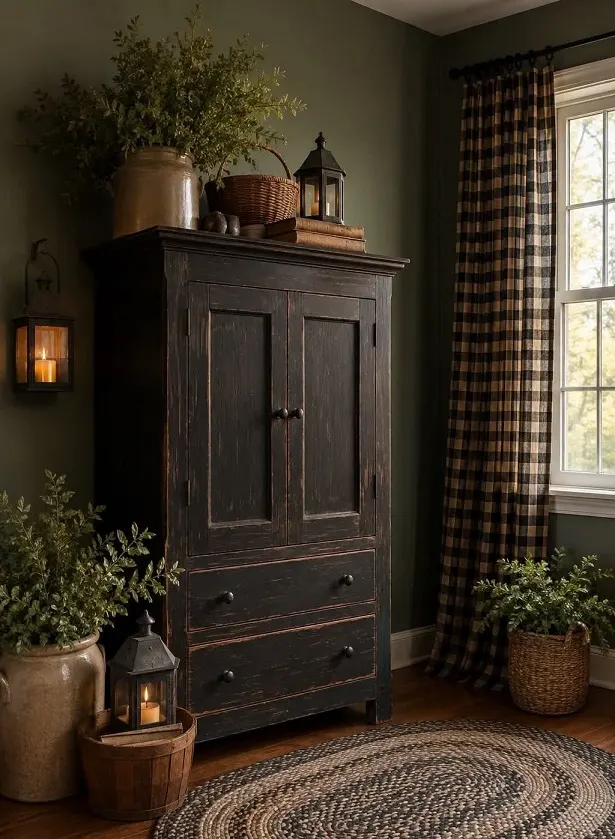
Style is partly a matter of hotel category and brand, but regional taste also plays a role. In the Gulf, many projects favour rich materials, darker timber tones, upholstered panels, metal accents and detailed joinery for a luxurious look. Warm lighting integrated into headboards and wardrobes is also common in upscale properties.
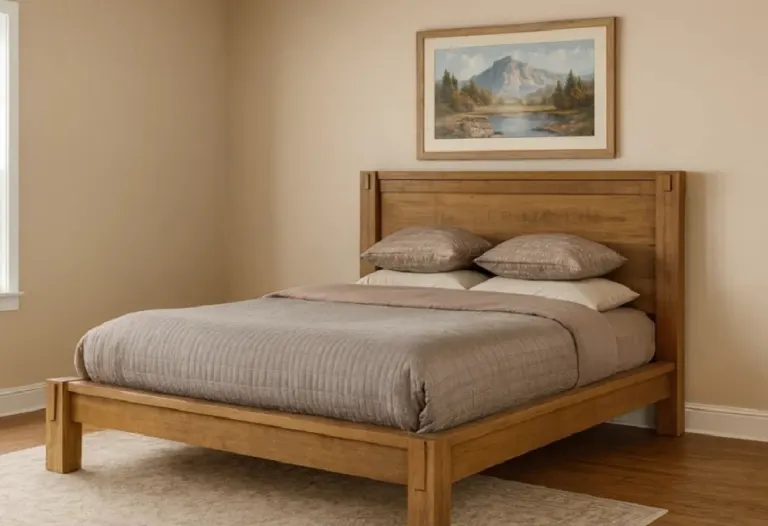
European hotels often lean towards calmer palettes, natural timber tones, simple lines and tactile textures. Boutique properties may ask for a distinctive character, but the overall approach is usually restrained and focused on comfort and good proportions.
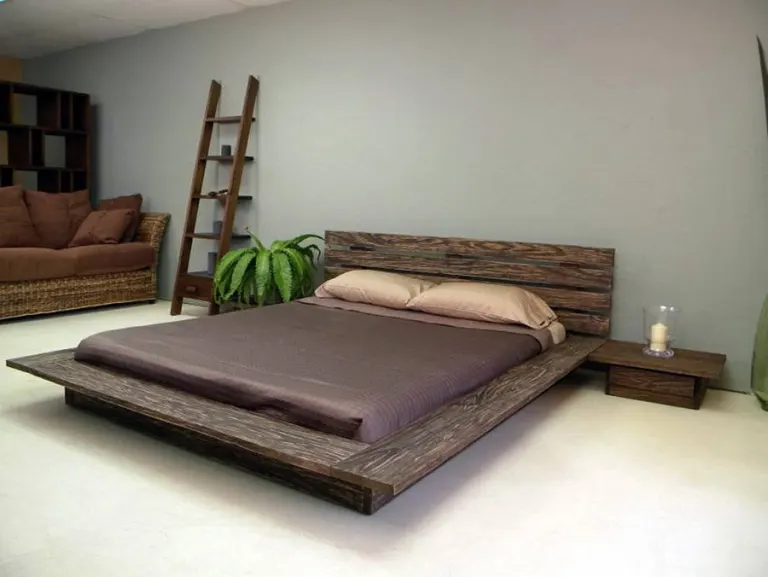
In Africa, preferences depend on the setting. Safari and resort properties often use natural timber, woven textures and earthy colours that connect the interior to its surroundings. City hotels tend to follow the brand's global design language. In each case, approve physical finish samples, because colours on screen and in printed boards can differ from the real board.
Climate and environment
Climate is where regional differences become practical rather than aesthetic. Furniture does not fail because of its style; it fails because the material or construction was not suited to its environment.
Heat, dust and air conditioning in the Gulf
Gulf rooms are usually cooled continuously, which means indoor conditions are fairly stable but outdoor heat and dust affect delivery, storage and installation. Check edge banding adhesives and finishes for heat resistance during transport, and consider how dust collects around open shelves and glass doors.
Cold, dry interiors in Europe
In colder parts of Europe, indoor heating dries the air in winter and can cause wood to move. Good seasoning, balanced panel construction and sensible veneer choices reduce the risk of cracks and warping. Heritage buildings may also have damp walls or uneven floors, so adjustable feet and scribing details become important.
Humidity, insects and port handling in Africa
Coastal and tropical locations bring humidity, and in some areas insects such as termites are a concern. Moisture-resistant boards, sealed edges and protected end grain help, as do treatments agreed with the factory and confirmed for export. Discuss ventilation behind wardrobes and avoid fixing furniture tightly against damp walls.
- Specify finishes and boards suited to humidity where relevant.
- Ask about edge sealing and back panel construction.
- Plan for careful packing, because handling conditions at some ports can be rough.
Compliance and documentation
Compliance is the area where assumptions cause the most delay. Requirements depend on the country, the building type and the hotel brand, and they can change, so confirm them with your consultant or local authority rather than relying on general guidance.
- Fire performance: some markets and brands ask for fire-retardant boards, fabrics or test reports. Raise this early because it can affect cost and lead time.
- Emissions: European and many international projects may request low-emission board classes or sustainability documents.
- Labelling and paperwork: customs authorities may require commercial invoices, packing lists, certificates of origin and sometimes phytosanitary documents for wooden items.
- Language and units: some projects need drawings and labels in a specific language or in metric units only.
Brand standards often sit on top of local rules, so ask the operator for its technical standards before drawings are finalised.
Shipping and delivery differences
Logistics vary as much as specifications. Europe and neighbouring regions can often be served by truck, while Gulf and African projects may use sea freight, with some routes involving overland sections. Discuss Incoterms such as FOB, CIF or DAP early, and agree how pieces will be labelled room by room so that installation teams on site can work efficiently.
Consider the receiving conditions too: lift sizes, staircase access, storage space and local installation labour. These factors influence whether furniture should be shipped pre-assembled or in components.
How to adapt a specification for a new market
A practical approach is to keep one core design and adjust it by market. Use this checklist:
- Confirm bed size, room dimensions and any family or connecting layouts.
- Review finishes for local climate, then approve physical samples.
- Identify fire, emission and labelling requirements from the consultant and brand.
- Agree shipping terms, packing method and delivery sequence.
- Approve a mock-up room in the destination configuration before mass production.
Working with Palmiye across regions
Palmiye produces custom hotel bedroom furniture to project drawings in our own factory in Istanbul and supplies hotels worldwide. We can review your room schedule, discuss how your market affects materials and construction, and support you with shop drawings and mock-up sampling. If you are planning a hotel in the Gulf, Europe, Africa or elsewhere, send us your drawings or room schedule and we will come back with suggestions, an estimated lead time and shipping options for your project.
Sıkça Sorulan Sorular
Do hotel bed sizes differ between the Gulf, Europe and Africa?
Yes, although brand standards often decide the final size. Gulf rooms commonly use king beds in larger rooms, European rooms are often compact with double or twin layouts, and African projects vary by property type. Always confirm dimensions with the operator and mattress supplier.
Which climate factors matter most for hotel bedroom furniture?
Humidity, heat, dust and dry indoor heating matter most. Humid regions need moisture-resistant boards and sealed edges, hot regions need heat-stable adhesives and finishes, and cold climates need well-seasoned timber to limit cracking and movement.
Does bedroom furniture for the Gulf need fire-retardant materials?
It depends on the country, the building type and the hotel brand. Some projects require fire-retardant boards or fabrics and test documents. Confirm requirements with your consultant or local authority early, as they can affect cost and lead time.
Can one design be used in several regions?
Often yes, as a core design. Keep the layout and style consistent, then adjust materials, finishes, dimensions and documentation to each market. A mock-up room in the destination configuration helps confirm the changes before mass production.
Can Palmiye supply hotel furniture to any country?
We supply hotels worldwide from our factory in Istanbul. Shipping method, Incoterms, packing and documents are planned for each destination, so send your project location and drawings and we will outline the options.
Every hotel project is different. Send us your drawings or room schedule for a tailored proposal on materials, lead time and shipping.