Hotel Bedroom Furniture Finish Types: Matt Lacquer, Satin Oil and Polyurethane Compared
Matt lacquer, satin oil and polyurethane look similar on a sample board but behave very differently once housekeeping and repairs begin. This guide compares the chemistry, feel and day-to-day consequences so you can specify with confidence.
The main hotel furniture finish types for guest rooms are matt lacquer, satin oil and polyurethane (PU) systems, and the right choice depends less on the sample board than on how the room will be cleaned and repaired. A finish that looks perfect at handover can show every trolley scuff within a season if it does not suit your housekeeping routine. This article compares the three options by chemistry, feel, cleaning behaviour and repair effort.
Why the finish matters more than it seems
The finish is the thin layer that takes every touch, wipe and knock. Board, veneer and hardware may be sound, but the topcoat decides how the furniture looks in year two and how easily your engineering team can fix damage.
Many specifications name only a colour and a sheen level, such as matt or satin. That leaves out the coating system, which is what actually determines chemical resistance, scratch behaviour and repairability. Asking for the system, not just the look, is the most useful change a buyer can make.
The three systems in plain terms
Matt lacquer
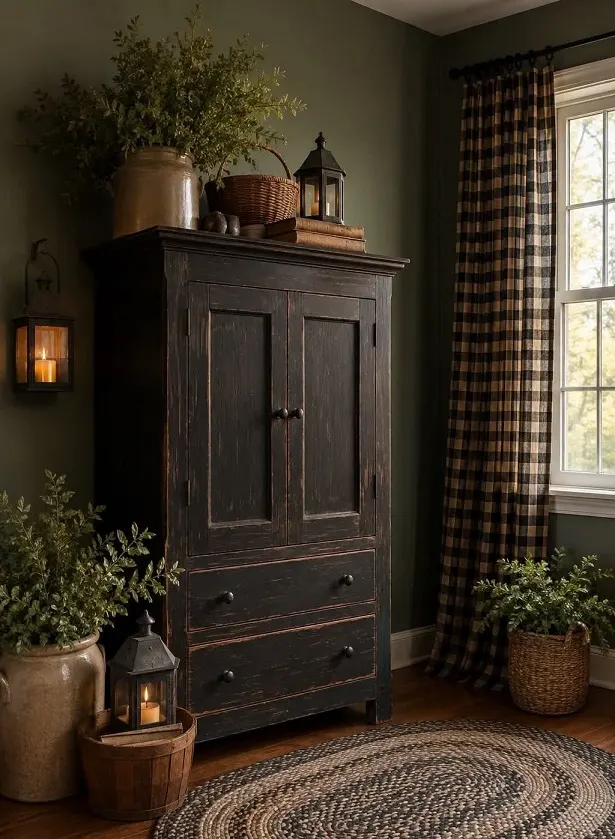
Lacquer on hotel furniture usually means a sprayed coating, often a polyurethane- or acrylic-based paint or clear coat applied in several layers with sanding between coats. Matt lacquer furniture gives a smooth, closed, uniform surface and is the standard route for solid colours such as greys, greens and off-whites.
It feels soft and velvety, but matt surfaces tend to show polishing marks, fingerprints and burnishing where hands or cloths rub repeatedly. Darker matt colours show this most.
Satin oil
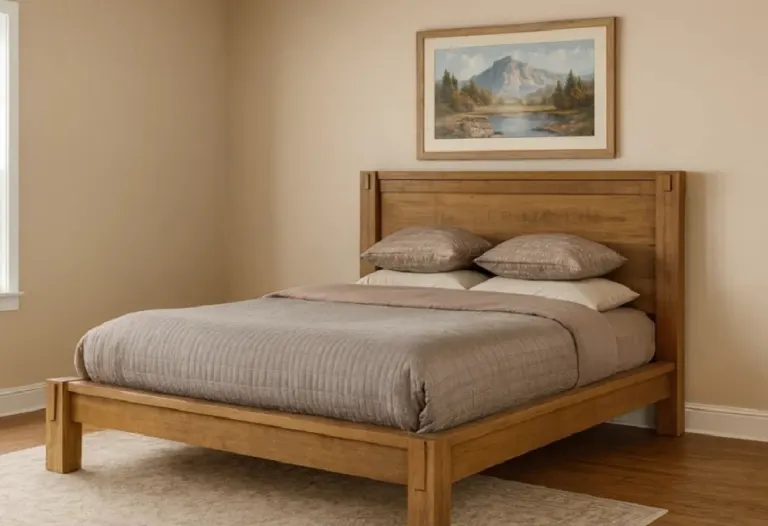
An oil finish on wood penetrates the surface rather than forming a thick film on top. It keeps the natural feel of timber and emphasises grain, which suits warm, natural interiors and wellness-style concepts. Some products marketed as oil finishes are actually hard-wax oils or oil-effect lacquers, so ask exactly what is being applied.
True oil finish wood is the easiest to repair locally, but it offers less barrier against liquids and cleaning chemicals than a film-forming coat.
Polyurethane (PU) systems
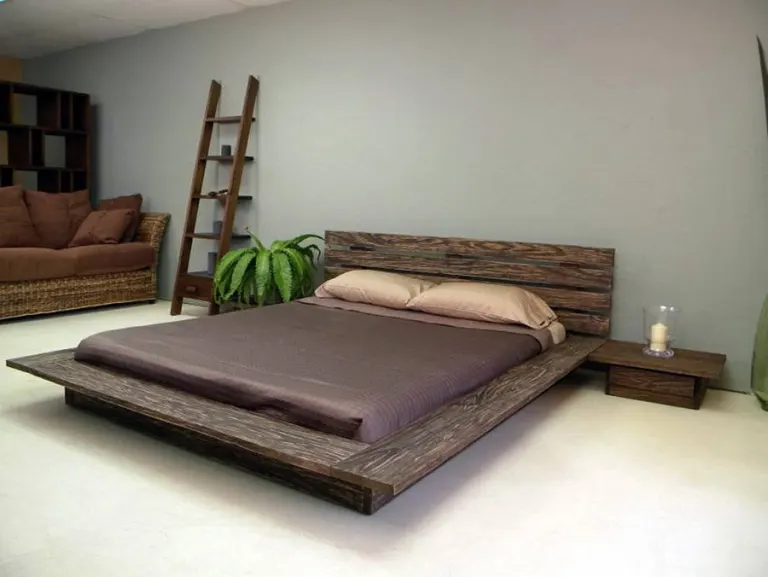
A polyurethane finish for hotels builds a protective film, either as a clear coat over veneer or as a pigmented layer. Two-component PU systems are generally harder and more chemical-resistant than single-component products, while water-based PU is chosen where low emissions are a priority. Sheen can be set from matt to high gloss.
The film protects well, but when it is damaged it is harder to blend a repair invisibly, especially on large flat panels.
Side-by-side comparison
| Criteria | Matt lacquer | Satin oil | Polyurethane clear or pigmented |
|---|---|---|---|
| Surface feel | Smooth, soft, closed | Natural, open-grain timber feel | Smooth, slightly more filmic |
| Resistance to spills and cleaners | Good to very good, depending on system | Lower; needs prompt wiping | Very good, especially two-component |
| Scratch behaviour | Scratches and burnishing can show on dark colours | Scratches blend into the grain and are easier to rework | Hard film resists light scratches; deep ones stay visible |
| On-site repair | Possible with touch-up kits; blending takes skill | Simple local re-oiling | Harder to blend; panel-level refinishing may be needed |
| Colour range | Almost unlimited | Limited to wood tones and light tints | Wide, plus clear over veneer |
| Typical fit | Painted wardrobes, headboard panels, brand colours | Boutique, resort and wellness rooms | High-traffic desks, bedside tops, chain hotels |
What happens under housekeeping
Think about how your staff actually clean. A damp microfibre cloth and a mild neutral cleaner are kind to almost any finish. Strong disinfectants, alcohol-based sprays and abrasive pads are not, and they are common in day-to-day hotel use.
- Matt lacquer: repeated wiping can polish high-touch areas such as handles and desk edges, creating shiny patches. Clear cleaning instructions help considerably.
- Satin oil: water rings and cleaner marks are more likely on horizontal surfaces. Plan periodic re-oiling, ideally by a trained engineering team.
- Polyurethane: tolerates regular disinfecting better, which is why it is often chosen for tops that see glasses, kettles and laptops.
Whichever you choose, ask the factory for the recommended cleaning products and provide a short care sheet to housekeeping at handover.
Repair consequences you should plan for
Every hotel will damage some furniture. The question is whether your engineering team can fix it in a room in a few minutes or must take the piece out of service.
Small chips and scuffs
On oil finishes, a light sand and a fresh coat of the same oil usually restores the area. On lacquer and PU, touch-up pens, filler sticks or small-batch repair lacquer can hide minor chips, though a close inspection may reveal them. Colour matching depends on keeping the original formulation.
Larger damage
Deep scratches or water damage on a lacquered or PU panel often require refinishing the whole panel to avoid visible patches. Spare doors and drawer fronts made in the same batch make this far easier than refinishing in place. Ordering a small spare stock with the main order is a practical step.
Colour drift over time
Clear finishes over timber can change tone as the wood ages and is exposed to light, and pigmented finishes can fade near windows. Reordering years later may therefore not match perfectly. Keep a signed finish sample and record the finish system in your documentation.
Matching finish to hotel type and room area
- Branded or chain hotels: favour PU or lacquer systems with documented, repeatable colours, since consistency across rooms and properties matters.
- Boutique and resort hotels: oil or hard-wax oil on veneer supports a natural, tactile look, provided the operator accepts a maintenance routine.
- High-traffic surfaces: desk tops, bedside tops and luggage areas benefit from the toughest film available.
- Vertical panels and wardrobe doors: matt lacquer works well because these surfaces take less abuse than horizontal ones.
Many projects mix finishes sensibly: for example, oiled veneer on visible headboard panels with PU on desk and bedside tops. Just confirm that the colours still read as one family under room lighting.
Questions to ask before approving a finish
- Which exact coating system will be used, and is it single- or two-component?
- How many coats and what film build are applied, and how is it cured?
- What cleaning products are approved, and which should be avoided?
- Can a repair kit be supplied in the approved colour and sheen?
- Are there any emission or fire-related requirements in the destination market that affect the system?
Always judge the finish on a physical sample under the lighting of the actual room, and wherever possible confirm it in the mock-up room. Sheen and colour can look quite different on a small board than on a full-height wardrobe door.
Conclusion
No single finish is best for every hotel. Matt lacquer gives the widest colour range and a refined look, satin oil keeps the warmth of timber and is the easiest to repair locally, and polyurethane offers the strongest protection for busy surfaces. Choose by how your rooms will be cleaned and repaired, not only by how the sample looks on the day it is approved.
We supply hotel projects worldwide from our factory in Istanbul. If you are choosing finishes for a new hotel or renovation, send us your drawings or room schedule and we will suggest suitable finish systems, sample boards and a repair and spare-parts approach for your project.
Sıkça Sorulan Sorular
Which finish is most durable for hotel bedroom furniture?
Two-component polyurethane systems generally offer the highest resistance to wear, spills and disinfectants, which suits desk and bedside tops. Durability still depends on film thickness, curing and substrate quality, so ask the factory for the exact system and test it on a sample.
Is an oil finish suitable for hotel furniture?
Yes, in the right setting. Oil finishes keep a natural timber feel and are simple to repair locally, but they protect less against liquids and strong cleaners. They suit boutique or resort rooms where the operator accepts periodic re-oiling.
Why does matt lacquer show marks in some hotels?
Matt surfaces can burnish or polish when wiped repeatedly, especially in dark colours, leaving shiny patches or fingerprints. Using soft cloths, neutral cleaners and a lighter or mid colour reduces the effect.
Can finish damage be repaired on site?
Minor chips and scuffs often can, using touch-up kits on lacquer and PU or re-oiling on oiled wood. Deep damage on film finishes usually needs the panel refinished or replaced, so keeping spare doors and fronts is useful.
What should I request from a factory before approving a finish?
Ask for the coating system name, number of coats, approved cleaning products, a physical sample in the final colour and sheen, and a repair kit. Confirm the finish in a mock-up room under real lighting before mass production.
Every hotel project is different. Send us your drawings or room schedule for a tailored proposal on materials, lead time and shipping.