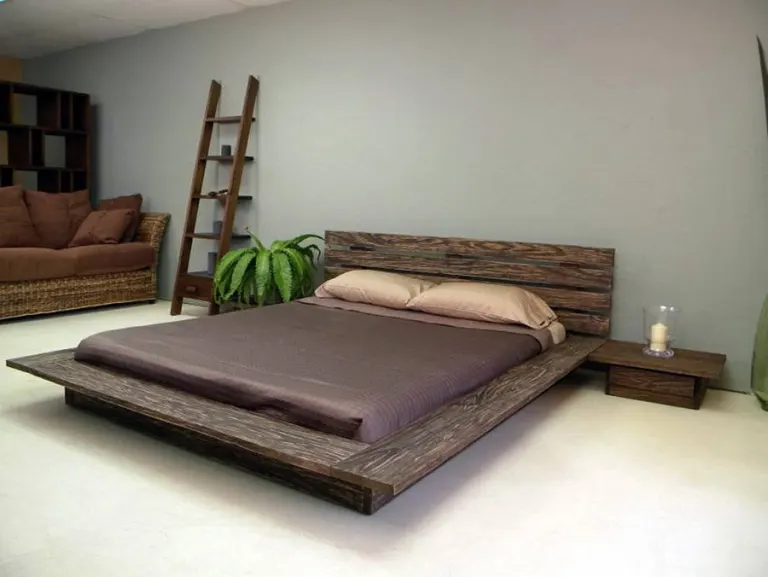
Noise from Hotel Furniture: Drawer Slams, Rattling Hangers and Squeaking Bed Frames
Small furniture sounds can ruin a guest's night and show up in reviews. This guide links common noise sources to construction details you can specify before ordering.
Hotel furniture noise is one of the quietest ways to lose a guest's goodwill. A squeaking bed, a drawer that slams or a wardrobe that rattles each time a door closes rarely appears in a design brief, yet it can interrupt sleep and lead to complaints. Most of these sounds are predictable, and nearly all can be reduced through construction choices made before production starts.
This article follows the guest's experience: what they hear, when they hear it, and which part of the furniture is responsible. It is written for owners, procurement managers and designers who want to specify quieter rooms from the start.
Why furniture noise matters more in hotels than at home
A guest sleeps in an unfamiliar room, often after travel and in a different time zone. Sleep is lighter and small sounds are noticed more. A creak that a homeowner would ignore becomes a talking point in a review.
Hotel furniture also moves far more than domestic furniture. Doors and drawers are opened by many guests, housekeeping and maintenance every day. Joints and fixings that are only just adequate begin to loosen, and loosening is what produces most noise.
Noise also travels. In lightweight partition buildings, a bed frame knocking against a wall can be heard in the next room. This turns a furniture fault into a neighbour's complaint as well.
Mapping the main noise sources
It helps to sort noise by when the guest hears it.
| Moment | What the guest hears | Typical source |
|---|---|---|
| Getting into or turning in bed | Creaking, squeaking, clicking | Frame joints, slat ends, loose fixings, metal-on-metal contact |
| Closing a drawer or door | Slam, bang | No damping, heavy fronts, hard stops |
| Opening the wardrobe | Rattle of hangers, rails or shelves | Loose rails, hanger design, unsupported shelf pins |
| Walking past or near | Vibration, buzzing | Loose panels, mini-fridge or minibar unit touching joinery |
| Overnight | Ticking, cracking | Temperature or humidity movement in boards and joints |
Squeaky bed frame in a hotel: where the sound comes from
A squeaky bed frame in a hotel is almost always a joint problem. Wood rubbing on wood, wood on metal, or a screw working loose in its hole creates friction, and friction creates sound under the movement of a sleeping guest.
Frame joints and fixings
Bolted or screwed connections loosen with repeated loading. Frames that rely on simple screws into particleboard edges are more likely to loosen than frames with proper corner blocks, steel brackets or threaded inserts. Ask how the frame is joined and whether fixings can be re-tightened without dismantling the whole bed.
Slats and slat holders
Slats that sit loosely in their holders can shift and tick. Good designs hold slats in rubber or plastic caps, and keep the slat length matched to the frame so there is no free play. The bed base also needs to match the mattress so the mattress does not creep against the frame. Our article on wooden bed slats versus metal bases covers this choice in more detail.
Contact points
Where the headboard meets the frame, or the frame meets the wall, a small gap creates knocking. Felt or rubber buffers, and a fixed connection between headboard and base, reduce movement. A headboard fixed to the wall rather than leaning against it can also stop the rhythmic tapping that travels through partitions.
Drawer slams and door bangs
The loudest sounds in a guest room usually come from drawers and doors that return to a closed position with force. Guests do not close things gently, particularly at night or in a hurry.
- Soft-close runners and hinges: hydraulic or spring damping slows the last few centimetres of movement and removes the impact. Quality varies, so the specification should name the type and load rating.
- Door and drawer bumpers: small silicone or rubber buffers prevent the front from striking the carcass directly. They are inexpensive, but they must be fitted consistently.
- Front weight: heavy fronts build more momentum. Match hinge count and runner capacity to the weight, especially for mirror-faced or thick veneered doors.
- Hardware alignment: if a door sits slightly out of line, it can catch and knock on the way closed.
The topic of where hardware quality matters most is explored in our guide to soft-close hardware in hotel bedroom furniture.
Rattling wardrobe doors and hangers
Rattling wardrobe doors are often a result of small tolerances. A door that is slightly loose on its hinges, a magnetic catch with weak pull, or a sliding door with worn rollers will vibrate when the room is bumped or when someone walks past.
Inside the wardrobe, the noise sources are different:
- Hangers on rails: metal hangers on a metal rail clatter. Wooden hangers, hangers with fixed hooks, or rails with a slight profile that holds hangers in place are quieter.
- Shelves and shelf pins: shelves resting loosely on metal pins can shift and click. Use pins with a retaining lip or fix shelves in place.
- Safes and accessories: a safe or luggage rack with loose fixings can hum or knock when doors close nearby.
- Sliding systems: tracks that collect dust and debris become noisy over time. Choose runners that are easy to clean and replace.
Hanger choice is a surprisingly effective noise control, and our comparison of hotel wardrobe hanger types explains the trade-offs with theft prevention.
Panels, backs and appliances
Thin back panels that are only lightly fixed can drum when nearby doors close. Specifying a properly pinned or screwed back, and keeping panels of adequate thickness for their span, reduces this.
Minibars, refrigerators and coffee stations introduce vibration. Leave clearance around the appliance so it does not touch the joinery, and use rubber feet or pads where possible. Ventilation gaps are needed anyway, so the design usually allows for this.
Environmental movement
Wood and board products react to humidity and temperature. In rooms with strong air conditioning or heating, joints can move slightly and make ticking or cracking sounds, particularly at night as the room cools. Using well-seasoned material and suitable construction methods helps, and so does matching the specification to the climate of the destination.
How to specify quieter hotel rooms
Quiet hotel room furniture is the result of decisions across the whole package. A practical checklist for your specification:
- Require soft-close hinges and runners on all doors and drawers, with a named load rating.
- Ask for mechanical joints in bed frames, such as brackets or threaded inserts, rather than screws into board edges alone.
- Specify slat caps or holders that prevent slat movement.
- Fix headboards securely, and add buffers wherever furniture meets a wall.
- Choose hanger and rail combinations that do not clatter.
- Include felt, rubber or silicone pads on all contact points and at appliance positions.
- Define a noise test in the mock-up room: open, close and load every item repeatedly.
Test noise in the mock-up room
A mock-up room is the cheapest place to find noise problems. Have someone sit, lie and turn on the bed, slam drawers in a realistic way and open and close every door several times. Do this with luggage and hangers loaded, and at a quiet moment so small sounds are audible.
Note every sound and its source in the approval sheet. Fixing a buffer or changing a hinge at this stage costs little, while the same correction across 150 rooms after installation is far more disruptive. See our guide to the mock-up guest room process for how to structure the review.
Plan for maintenance as well
Even well-built furniture needs periodic attention. Screws loosen, buffers fall off and runners collect dust. Ask the engineering team to include bed frames and wardrobe hardware in a routine check, and keep spare buffers, caps and fixings in stock. A quiet room today can become a noisy one in a year without simple upkeep.
Conclusion
Hotel furniture noise is not a mystery. Squeaks come from loose joints and contact points, slams from missing damping, and rattles from small tolerances and loose accessories. By specifying construction details, testing a mock-up and planning maintenance, you protect guest sleep and reduce complaints.
If you are planning a new hotel or a renovation, send us your drawings or room schedule. We produce to project drawings in our Istanbul factory and ship worldwide, and we can review your specification for noise-prone details before production begins.
Sıkça Sorulan Sorular
Why do hotel bed frames squeak?
Most squeaks come from friction at loose joints, slat ends, or points where the headboard, frame and wall touch. Repeated use loosens screws and wears contact surfaces. Mechanical joints, slat caps and felt or rubber buffers reduce the problem significantly.
How can I stop wardrobe doors from rattling in guest rooms?
Check hinge fit, use soft-close hinges or strong catches, and fit rubber bumpers where doors meet the carcass. For sliding doors, choose quality runners and keep tracks clean. Door weight should always be matched to hinge count and capacity.
Do soft-close hinges and runners really reduce hotel furniture noise?
Yes, they remove the impact sound at the end of closing, which is the loudest noise in most rooms. Quality differs between brands, so specify the type and load rating, and test samples in the mock-up room before ordering.
Can noise problems be found before production?
Mostly, yes. A mock-up room lets you sit, turn on the bed, load wardrobes with hangers and slam drawers. Record every sound in the approval sheet. Corrections at that stage are far cheaper than changes after installation.
Do humidity and climate cause furniture to creak?
They can. Wood and boards expand and contract with temperature and humidity, which may cause ticking or cracking in joints, especially at night. Suitable materials, seasoning and construction for the destination climate help limit this.
Every hotel project is different. Send us your drawings or room schedule for a tailored proposal on materials, lead time and shipping.